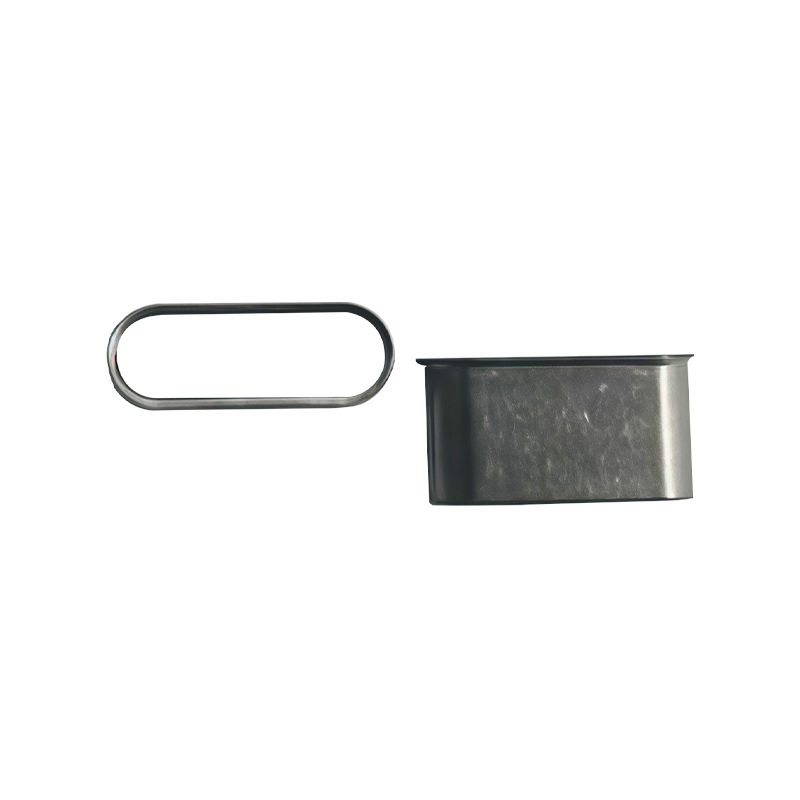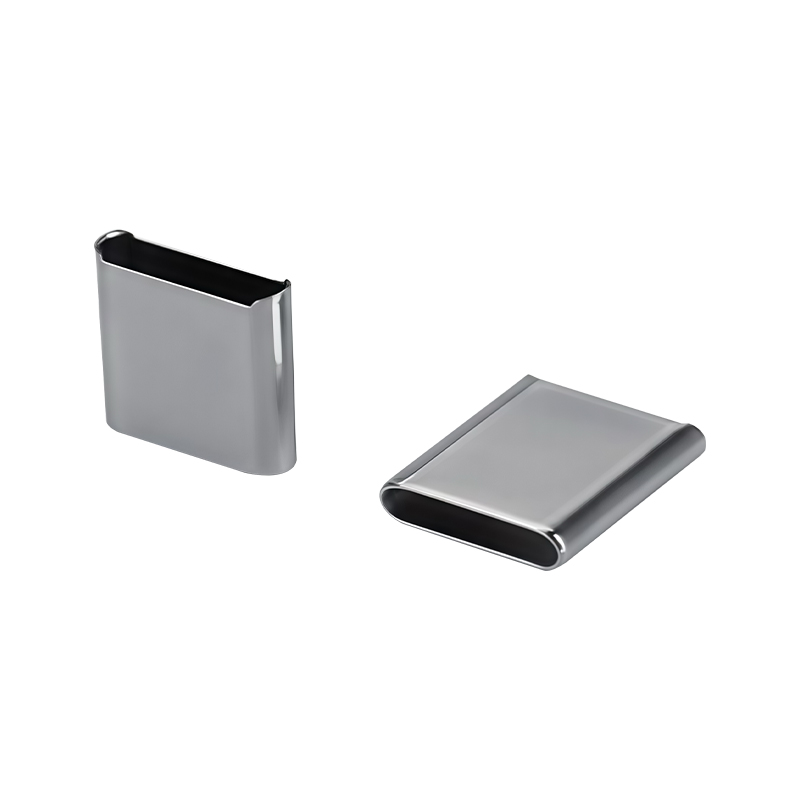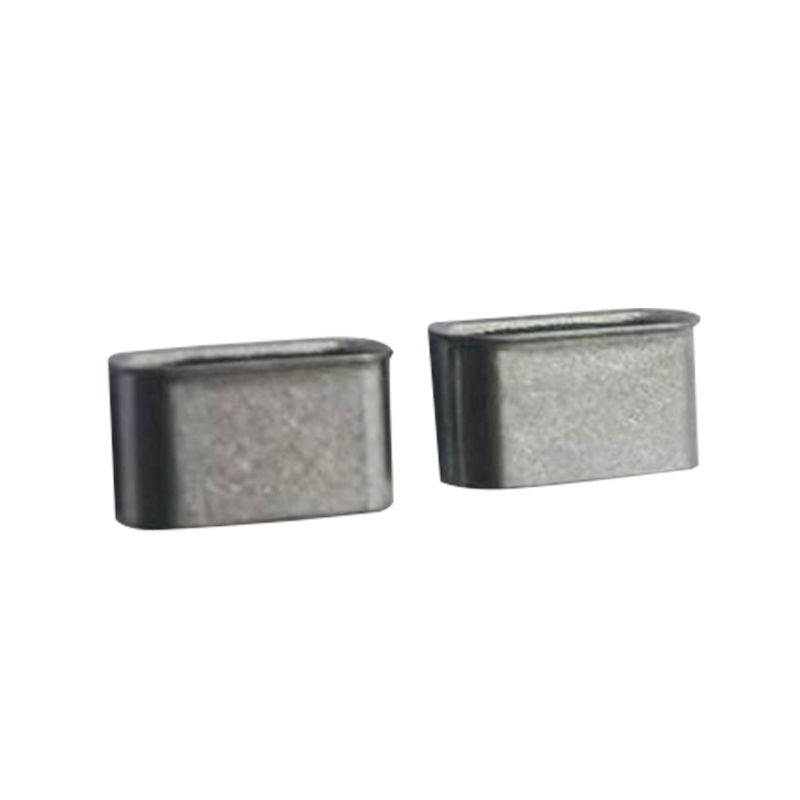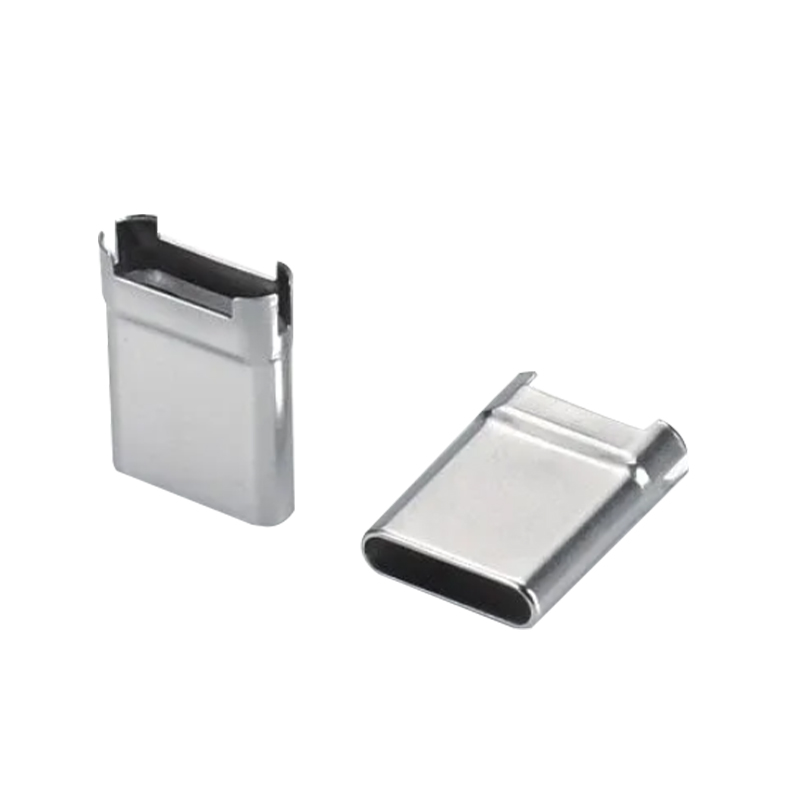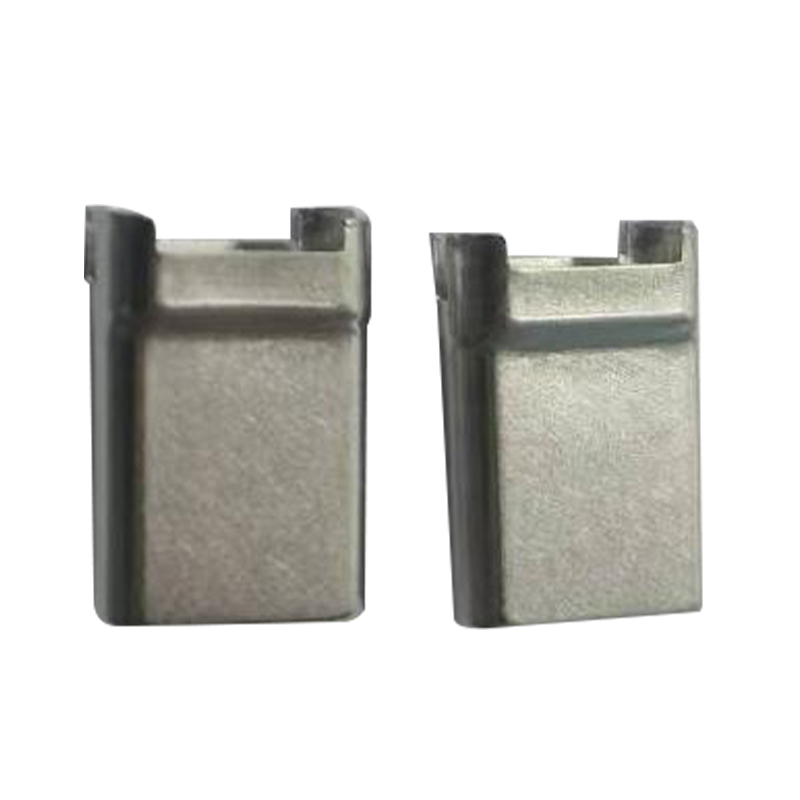
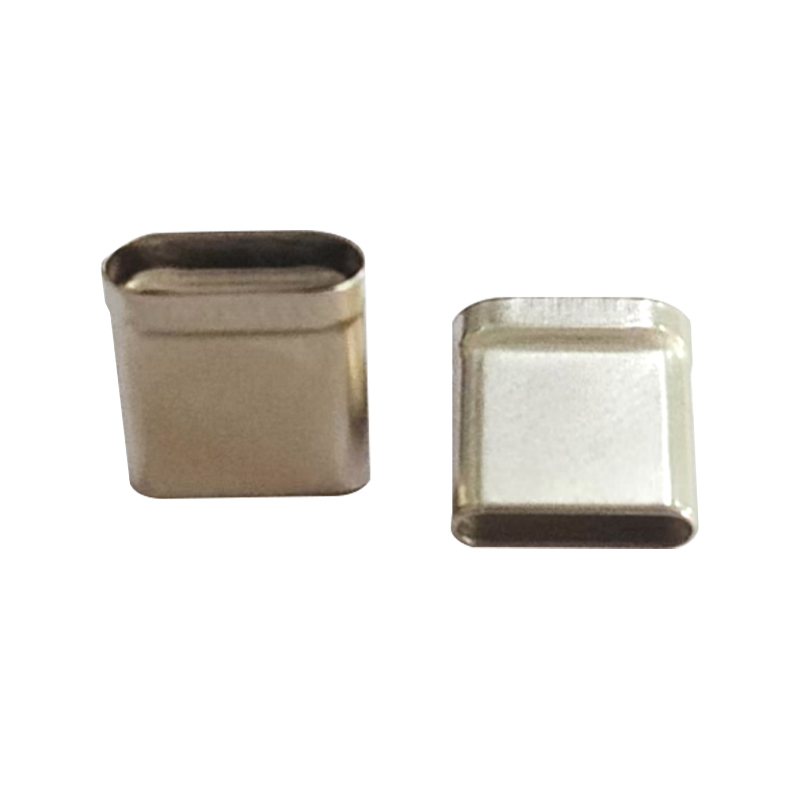
Optimizing the high-frequency performance of a stainless steel housing Type-C male connector requires consideration of the entire process, including design, materials, manufacturing, and testing.
Type C female sockets need to operate stably in high temperature, high humidity or corrosive environments, so the stainless steel casing needs to have corrosion resistance, such as using 316 stainless steel or surface passivation treatment.
Electromagnetic shielding performance is an essential protection dimension for Type-C male connectors in high-frequency signal transmission.
Compared to ordinary plastic casings, stainless steel can effectively prevent moisture, dust and chemical gases from entering, and reduce the increase in contact resistance of internal metal contacts due to oxidation or corrosion.
With smartphones, laptops, tablets, and even power banks all adopting USB Type-C interfaces, this compact yet powerful connector has become the "universal key" of digital life.
In the highly connected environment of modern electronic devices, the reliability of the interface is directly related to data transmission, charging efficiency, and even the stability of the entire device.